
What Is ViaBTC Crypto Wallet and How Does It Work?
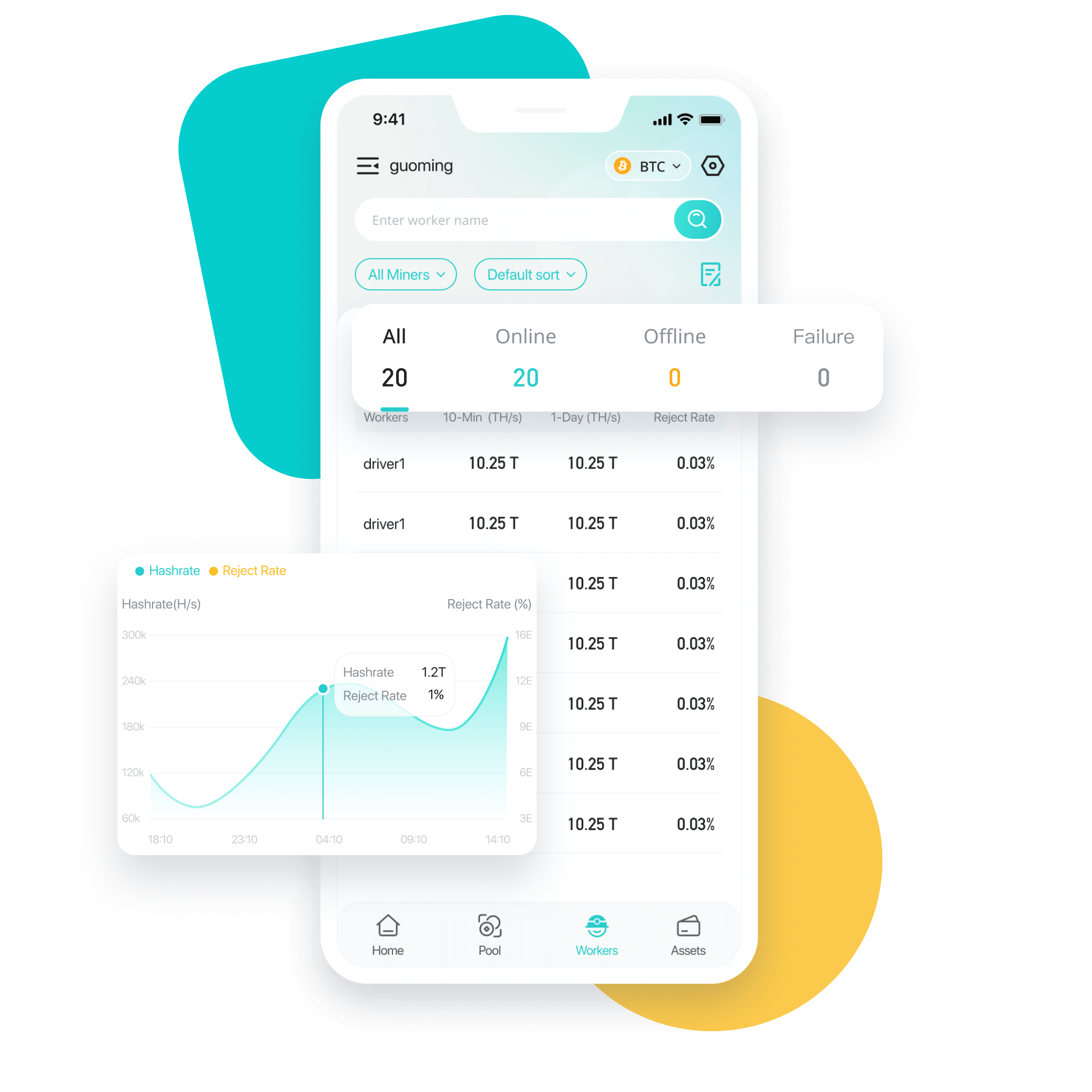
ViaBTC Crypto Wallet is a digital asset management tool designed for storing, sending, and receiving cryptocurrencies through blockchain networks. It works by managing wallet addresses and transaction permissions, allowing users to control their digital assets. Connected with the ViaBTC ecosystem, it supports cryptocurrency users who need secure asset handling, mining reward management, and efficient blockchain transactions.
Cryptocurrency wallets have become an important part of digital asset usage since Bitcoin introduced blockchain-based payments in 2009. Unlike traditional financial accounts, wallets do not store coins directly. They store the information required to access blockchain assets, including wallet addresses and private keys. A wallet address works like a destination for receiving funds, while a private key authorizes ownership-related operations.
ViaBTC Crypto Wallet follows this blockchain-based model by providing users with an interface to manage their cryptocurrency holdings. When a user receives digital assets, the blockchain records the transaction, while the wallet displays the balance and transaction history. When users send funds, the wallet creates a transaction request that is verified by the related blockchain network.
“A cryptocurrency wallet does not move coins physically. It provides access to blockchain records that confirm ownership and transaction permissions.”
The operation process involves several technical steps. After a transaction is created, it is broadcast to network participants called nodes. These nodes verify transaction details such as available balance, digital signatures, and network rules. After confirmation, the transaction becomes part of the blockchain record. Bitcoin, for example, has operated since 2009 with thousands of nodes supporting transaction verification worldwide.
The security structure of a wallet depends heavily on private key management. A private key is a unique cryptographic code that allows users to authorize transfers. If someone gains access to the private key, they may control the associated assets. For this reason, wallet users must protect authentication details and recovery information.
ViaBTC Crypto Wallet provides users with a practical way to organize cryptocurrency assets. Users can check balances, review transaction records, and manage transfers without interacting directly with complex blockchain commands. This reduces the technical difficulty for people who participate in cryptocurrency activities.
The demand for digital asset wallets has increased as cryptocurrency adoption expanded. According to industry reports, the number of blockchain wallet users exceeded 80 million globally by 2021 and continued growing in later years. Different wallet types serve different purposes, including exchange wallets, mobile wallets, desktop wallets, and hardware wallets.
A wallet connected with a cryptocurrency service ecosystem can provide additional convenience. ViaBTC has operated cryptocurrency-related services since 2016, including mining pool services and blockchain tools. Users involved in mining activities can use compatible wallet solutions to receive mining rewards and organize their digital assets.
Mining payments require accurate wallet information because rewards are distributed according to blockchain addresses. For example, Bitcoin mining rewards are sent to specified wallet addresses after reaching payment conditions set by the mining platform. A properly managed wallet helps users receive and review these transactions.
Transaction management is another important function of ViaBTC Crypto Wallet. Cryptocurrency transfers require users to provide a destination address, select a network, and confirm transaction details. Network fees vary depending on blockchain conditions. Bitcoin transaction fees, for example, are influenced by network demand, transaction size, and available block space.
For users who frequently deal with blockchain transactions, additional tools can improve transaction efficiency. ViaBTC provides services such as ViaBTC TX Accelerator, which is designed to help users handle certain Bitcoin transaction confirmation situations by submitting transactions for acceleration services.
The wallet experience also depends on asset compatibility. Different cryptocurrencies operate on different blockchain networks, and each network has specific transaction rules. Users must select the correct network when transferring assets because sending funds through an unsupported network may cause delays or require additional recovery procedures.
| Wallet Function | User Purpose | Technical Process |
|---|---|---|
| Receive assets | Accept cryptocurrency transfers | Blockchain address records incoming transactions |
| Send assets | Transfer cryptocurrency | Wallet signs and broadcasts transactions |
| Check history | Review activity records | Blockchain data is displayed through wallet interface |
| Manage holdings | Organize digital assets | Wallet connects users with blockchain records |
Security practices remain important for anyone using a cryptocurrency wallet. A report published by Chainalysis estimated that cryptocurrency-related illicit activity accounted for less than 1% of total crypto transaction volume in 2021, but users still need to maintain careful account protection because blockchain transfers are generally irreversible after confirmation.
Recommended security practices include:
-
Using strong account passwords.
-
Keeping recovery information offline.
-
Checking wallet addresses before sending funds.
-
Avoiding unknown links requesting wallet information.
-
Using additional authentication methods when available.
The difference between a personal crypto wallet and an exchange wallet is mainly related to asset control. Exchange wallets are managed by trading platforms, allowing users to trade quickly but depending on the platform’s security system. Personal wallets provide users with direct access management, requiring them to protect their own wallet credentials.
| Comparison | Personal Crypto Wallet | Exchange Wallet |
|---|---|---|
| Access control | Managed by user | Managed by platform |
| Main purpose | Storage and transfers | Trading activities |
| Private key handling | Usually user-controlled | Usually platform-controlled |
| Suitable users | Long-term holders and blockchain users | Frequent traders |
ViaBTC Crypto Wallet can serve different groups of cryptocurrency users. Mining participants may use it for receiving cryptocurrency payments, while regular crypto users may use it for transfers and asset organization. Users who need basic blockchain interaction can also use wallet services to understand addresses, confirmations, and transaction records.
The development of cryptocurrency wallets has continued alongside blockchain adoption. Since Ethereum launched in 2015 and decentralized applications expanded afterward, wallets have become more than storage tools. They now connect users with multiple blockchain services, payment systems, and digital asset platforms.
For users managing cryptocurrency assets, understanding wallet functions helps improve daily operations. A wallet such as ViaBTC Crypto Wallet provides access to blockchain-based asset management through a simpler interface, allowing users to send, receive, and monitor cryptocurrency transactions while maintaining control over their digital assets.
Reserve a hand-printed edition from the archive.
Twelve-color pigment, fiber-based paper, signed certificate of authenticity — shipped museum-ready in custom framing.
Reserve Your Print